

Mobile Solar Trailers Explained: A First-Time Buyer’s Starting Point
What Is a Mobile Solar Trailer?
If you have never bought a solar power system before, the terminology can feel overwhelming fast. A mobile solar power system is simpler than it sounds: it is a self-contained unit that combines solar panels, battery storage, and the hardware needed to run equipment, all mounted on a towable trailer. You pull it to wherever you need power, unhitch it, and put it to work. No utility hook-up. No fuel deliveries. No generator noise. That is the whole idea.
The trailer is the key detail. Because the solar array, the batteries, and the control system all live on a single rolling platform, you do not need to pre-wire a site or pour a concrete pad. The unit arrives already integrated. Setup is quick, and when the job is done the unit travels with you to the next site.
How the System Fits Together
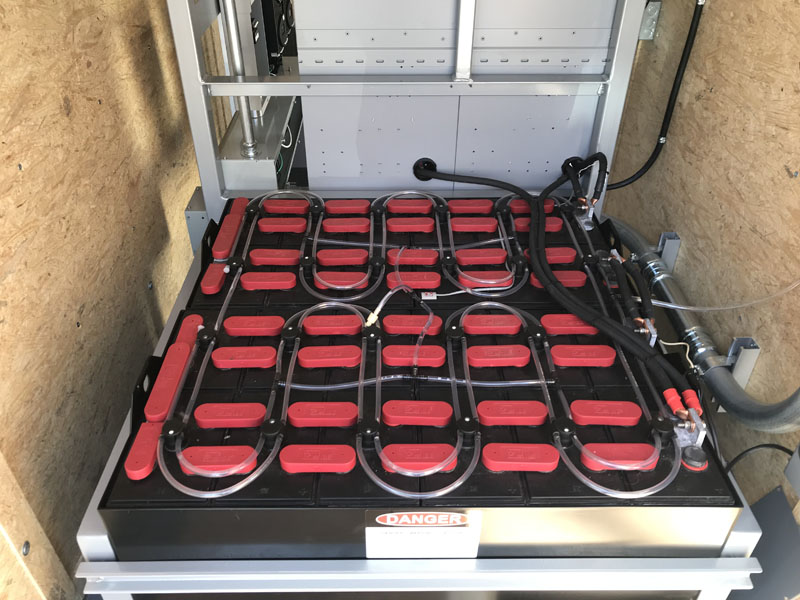
A trailer mounted solar generator typically has three layers working together. First, the solar panels on top capture sunlight and convert it into electricity. Second, an integrated battery bank stores that electricity so the system can keep running after dark or during a stretch of cloudy weather. Third, the control electronics manage the flow of power between the panels, the batteries, and whatever you have plugged in.
Everything is enclosed in weatherproof, lockable storage. That matters for buyers who plan to leave a unit unattended at a remote site. The enclosure protects both the electronics from the elements and the equipment itself from theft or tampering. First-time buyers sometimes ask whether they need to build a shelter around the unit. With a properly enclosed solar generator trailers design, the answer is generally no.
Who Tows It?
One of the first practical questions buyers ask is what kind of vehicle they need. A standard pickup truck can tow these trailers. You do not need a heavy commercial vehicle or a special license for a properly sized unit. This is part of what makes the category useful for small businesses, farms, and event companies. A contractor who already owns a work truck has a tow vehicle ready to go.
That towability also means the same unit can serve different locations at different times. A construction crew might use it on a job site during the week, then a different team pulls it to a remote location over the weekend. The off-grid solar generator goes where the work goes.
Remote Monitoring
Modern units can be monitored remotely. This is a practical detail that first-time buyers sometimes overlook until they are already running a site. Remote monitoring means you can check system status, battery state, and power output from another location without sending someone to the trailer. For agricultural applications or telecom sites that sit far from the main office, that kind of visibility can save a significant amount of driving time.
The ability to keep an eye on the system from a distance also makes it easier to catch a problem early. If battery charge is lower than expected, you know before the power runs out. A mobile solar generator with remote monitoring built in is a very different product from one that requires a physical check.
No Permits Required for Deployment
One advantage that surprises many first-time buyers is the permitting question. Permanent solar installations on a building typically require permits, utility interconnection paperwork, and inspections that can take weeks or months to clear. Mobile units do not have that problem. Because they are not permanently attached to a structure and are not tied into the utility grid, they can generally be deployed quickly without permit requirements.
This makes them particularly useful for time-sensitive situations: an emergency where power must arrive in hours, not weeks, or a seasonal application where waiting through a permit cycle would miss the window entirely. The emergency backup power case is one of the clearest arguments for the mobile format.
What Makes This Different From a Standard Generator?
Buyers comparing solar trailers to traditional fuel-powered generators usually want to understand a few specific differences. Fuel generators burn diesel or gasoline, which means a continuous operating cost, fuel storage logistics, and exhaust emissions. They are also loud, which limits where and when they can be used near people.
A diesel generator replacement in solar trailer form produces no emissions during operation, makes no engine noise, and does not require fuel deliveries. The maintenance profile is also lighter. Because there is no combustion engine, there are fewer moving parts to service. For buyers running a site where fuel logistics are inconvenient or where noise is a problem, such as a medical event, an outdoor film shoot, or a residential area, the difference is meaningful.
That said, solar trailers are not a drop-in replacement for every situation. A first-time buyer should think through the load requirements. If you need to run heavy equipment continuously around the clock regardless of sunlight, that is a conversation worth having with a supplier before you buy. Where solar shines is in applications where the load profile is manageable and the operational conditions favor clean, quiet power.
Common Applications
The range of use cases for solar generator for events and other applications is wider than many first-time buyers expect. Here are the categories that come up most often.
Emergency and Disaster Response. When a storm or other event knocks out grid power, mobile solar trailers can be driven to the affected area and put into service quickly. They do not need a running utility grid to function.
Outdoor Events. Festivals, weddings, markets, and sporting events often need power at locations where grid connection is not practical. A quiet, emission-free unit fits that environment better than a diesel generator.
Agriculture. Remote irrigation controls, livestock watering systems, and field monitoring equipment often need remote power at locations too far from the main farm electrical system to run a wire economically. A solar trailer can serve those loads without the cost of infrastructure.
Remote Telecommunications. Cell towers and communications equipment at remote sites need reliable continuous power. Solar trailers can provide that without the fuel logistics of a generator.
Remote Research. Scientific field work often happens at locations without any utility access. A self-contained mobile unit lets researchers run instruments and charging without carrying fuel.
The MS-425 as a Reference Point
If you are beginning to research specific models, the MS-425 is one of the more widely discussed units in the Mobile Solar lineup. It is referenced as one of the most popular models. For detailed specifications on any current unit, the best approach is to contact Mobile Solar directly, since published specs can change and your specific load requirements will determine which configuration fits best. Contact us for specs on the MS-425 and other current models.
The broader MS-Series covers a range of capacities, and the right size depends on what you plan to run and for how long. A first call to the team is usually the fastest way to match the right unit to the application.
Solar Trailer Arrays and Sealed Electric Generators
Two related product categories sometimes come up in buyer research. Solar trailer arrays are configurations where multiple panels are deployed in a coordinated arrangement, typically for higher-demand applications. Sealed electric generators refer to generator formats that are fully enclosed, protecting internal components from dust, moisture, and physical access. Both formats appear in the portable solar power systems category.
If your application requires a specific output level or a particular form factor, explaining that clearly when you reach out for a quote will help the team point you to the right configuration.
What to Bring to Your First Conversation
Before you contact a supplier, it helps to have a few things ready. Know your approximate load in watts or kilowatts, how many hours per day you expect to run that load, what your site conditions look like (shading, available sun hours, surface type), and whether you need the unit to run overnight on battery or primarily during daylight. That information lets a sales engineer give you a meaningful answer instead of a generic one.
If you do not have all of those numbers yet, that is fine. A solar generator for construction site application and an emergency response application have very different profiles, and a good supplier will walk you through the questions. The goal is to match the unit to your actual situation, not to sell you the biggest product on the shelf.
Next Steps
The M1 solar generator is a good reference point if you are looking at smaller configurations. For commercial and industrial scale applications, the commercial section of the site covers the range of use cases in more detail. And if you want to hear from buyers who have already run these units in real conditions, the testimonials page is worth a read before you make a decision.
The main takeaway for a first-time buyer: mobile solar trailers are a mature, field-tested product category with a clear value proposition for anyone who needs reliable power at locations where grid connection is impractical, expensive, or too slow to arrange. The best way to figure out whether one fits your situation is to describe your load to the team and let them work backward from there.
Frequently Asked Questions
Do I need a permit to use a mobile solar trailer at my job site?
Generally no. Because mobile solar trailers are not permanently attached to a structure and are not connected to the utility grid, they can typically be deployed without the permits, utility interconnection paperwork, or inspections that a permanent solar installation requires. This is one of the clearest advantages of the mobile format for time-sensitive applications such as emergency response or seasonal work.
What vehicle do I need to tow a solar trailer?
A standard pickup truck can tow these trailers for properly sized units. You do not need a heavy commercial vehicle or a special license. A contractor who already owns a work truck has a tow vehicle ready to go, and the same unit can serve multiple locations at different times.
How is a solar trailer different from a diesel generator?
A solar trailer produces no emissions during operation, makes no engine noise, and does not require fuel deliveries. Because there is no combustion engine, there are fewer moving parts to service, which lightens the maintenance profile compared to a fuel-powered generator. The trade-off is that solar output depends on sunlight, so the right configuration depends on your specific load and hours of use.
About Mobile Solar
Mobile Solar provides portable solar power systems and solar generator trailers nationwide, delivering clean, quiet, and reliable off-grid power for construction sites, emergency backup, events, and remote locations. Units are designed for ease of transport and quick setup, helping customers reduce noise, emissions, and fuel costs while maintaining consistent power wherever it is needed. Request a quote at mobilesolarpower.net or call (805) 466-1006.