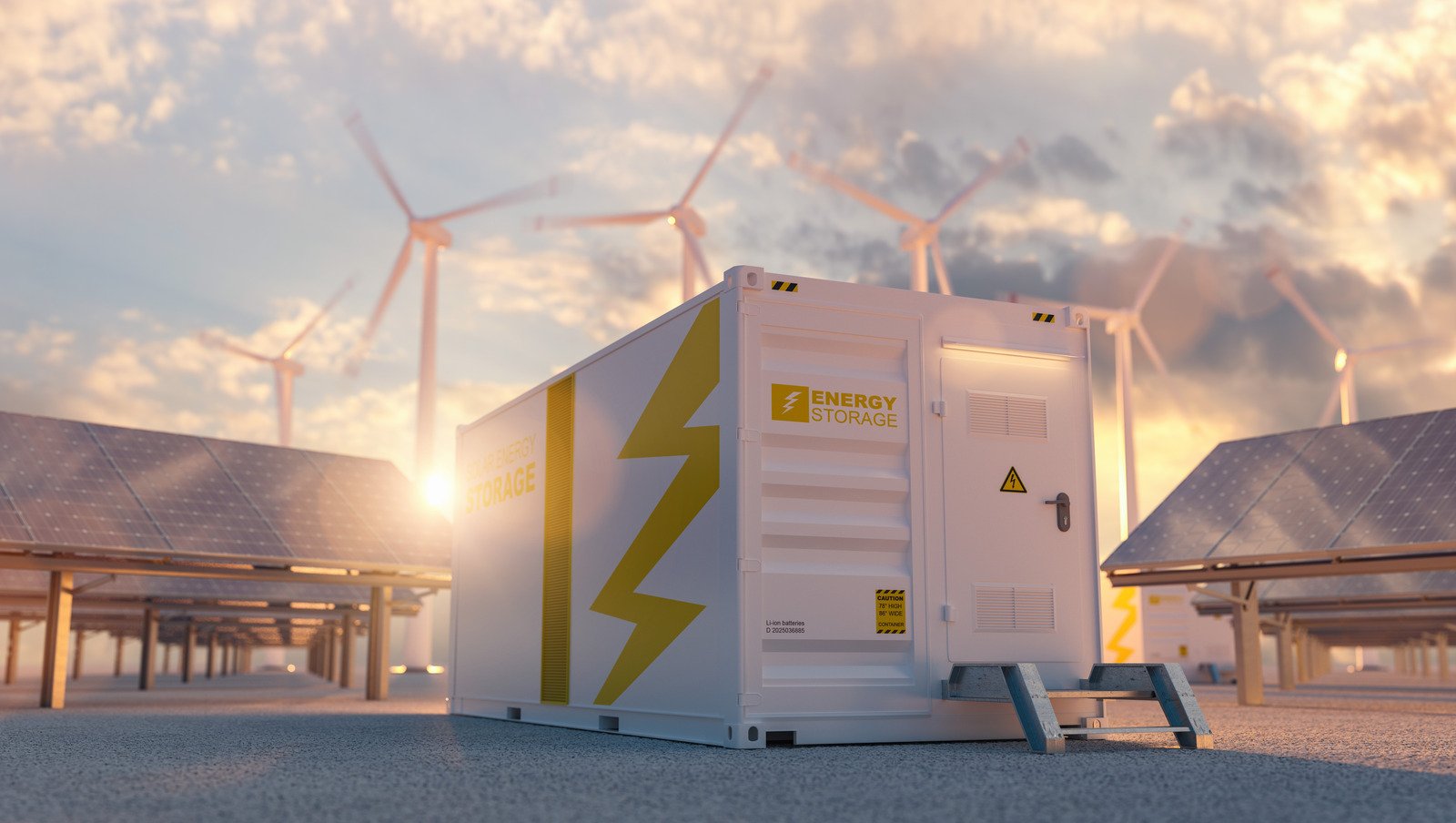


How Trailer-Mounted Solar Generators Work
A trailer-mounted solar generator looks simple from the outside: a road-worthy trailer, a rack of solar panels folded down for transport, and a locked cabinet housing the electronics. Pull it onto a site, press a button, and clean power flows within minutes. What happens inside that cabinet, and how the system manages power from sunrise through a cloudy afternoon to 2 a.m., is worth understanding before you spec one for a job site, a telecom tower, or a remote government operation. This walkthrough covers every stage of the system, from panel to outlet, and explains why the architecture holds up where diesel generators have always struggled.
The Solar Panels: Light In, Electrons Out
The panels are the starting point, and a common misconception is worth clearing up right away. Solar panels generate electricity by absorbing sunlight, not heat. Cold temperatures can actually improve panel efficiency, with output sometimes reaching up to 110 percent of rated capacity on a clear winter day, according to data published by Mobile Solar on their cold-climate performance page. That means a unit deployed in Minnesota in February is not at a disadvantage compared to one running in Arizona in July, once cloud cover and day length are factored in.
Mobile Solar’s current panel spec runs 375 to 380 watts per panel. The MS-425, the company’s most popular model, mounts eight panels and is rated to harvest 21 kWh per day under normal conditions. The SA-12 and SA-15 supplemental arrays (12 and 15 panels, respectively) can be paired with a primary unit when a site needs more daily harvest without adding a second trailer. Every panel on every trailer mounted solar generator in Mobile Solar’s lineup folds flat against the trailer frame for road travel and deploys via a single push-button system.
Push-Button Deployment
On a traditional generator, setup means fuel checks, cable runs, load balancing, and startup sequences. Mobile Solar’s push-button panel deployment changes that workflow significantly. An operator backs the trailer into position, levels it if needed, and activates the panel array from a single control point. The panels rise and lock into their operational angle automatically. There is no manual unfolding of individual panels and no tool required to begin generating power.
This matters most for operations that move frequently, including construction sites that shift power drops every few weeks, disaster response deployments where time on site is unpredictable, and rental fleets that need fast turnaround between customers. The deployment speed is part of why organizations like the U.S. Army documented 45 consecutive days of continuous operation at Fort Irwin with a Mobile Solar unit, without the fuel logistics and refueling delays a diesel setup would require.
The Battery Bank: Storing What the Panels Produce
Solar panels produce power whenever the sun is up. The battery bank stores that energy for use at night, during overcast periods, and during peak demand spikes. The size of the bank determines how many hours of runtime the unit can deliver without sun.
Mobile Solar’s lineup scales from 20 kWh (MS-200) to 70 kWh (MS-432 and M1). The MS-425 sits at 60 kWh. The SRX series uses lithium iron phosphate (LiFePO4) chemistry, which is increasingly preferred for industrial, government, and military applications because of its thermal stability. LiFePO4’s iron-phosphate bond structure resists thermal runaway, making it safer in high-heat environments, enclosed spaces, and applications where a battery failure cannot be tolerated. The company’s M1 is built to military standards for extreme durability and carries a 70 kWh bank capable of delivering 16 kW continuously with 33.94 kW available instantaneously.
For cold-climate operations where standard LiFePO4 cells cannot safely accept a charge below freezing, Mobile Solar’s M1A1 platform is designed to accommodate self-heating LiFePO4 battery technology. These batteries include self-heating that keeps internal cells between approximately 1 and 5 degrees Celsius, enabling safe charging down to about minus 20 C (minus 4 F). That solves the one meaningful limitation of lithium chemistry at extreme temperatures without switching to a less stable battery type.
The Inverter and Output Stage
The inverter converts DC power from the battery bank into the AC voltage a site actually uses. Mobile Solar units output 120/240VAC split-phase, the same standard found at a commercial job-site panel. The MS series runs at 8 kW continuous (16 kW for the MS-425 and M1), with instantaneous capacity available for motor starts and inrush loads that briefly demand more than the continuous rating.
Output connections are standard, weatherproof, and lockable. No special adapters or permit applications are required to connect standard equipment. That permitting point matters on job sites where inspections and approvals can stall a diesel generator for days. A commercial solar generator from Mobile Solar connects the same way a hardwired service panel does, without the paperwork.
Cellular Remote Monitoring
Every unit in the Mobile Solar lineup includes a cellular modem. Real-time load, output, and usage data are accessible from any device with a browser or a phone. Remote diagnostics mean an operator or fleet manager can check battery state of charge, current draw, daily harvest totals, and system alerts without driving to the site.
For enterprise and government operators managing multiple units across a region, remote monitoring eliminates the site visits a diesel fleet requires for fuel checks and oil inspections. A telecom operator running a tower on a Mobile Solar unit can verify the battery is healthy after a cloudy week without dispatching a technician. The U.S. Navy, EPA, and organizations like Verizon and Lockheed Martin are among the clients that have operated Mobile Solar units in configurations where site access is limited or costly.
The monitoring system also logs performance history. That data supports maintenance planning, capacity decisions, and documentation for government or utility reporting requirements.
Hybrid Backup Option
Solar carries a risk that most operators ask about immediately: what happens during an extended stretch of bad weather? Mobile Solar addresses it with an optional Honda EU7000 gas or diesel hybrid backup. The generator integrates with the system controller and can top off the battery bank during a low-sun period without the operator switching modes manually.
The hybrid option is not required on most deployments. The battery bank on a typical MS or SRX unit carries enough stored energy to run through a night and a cloudy day before dipping into a range that would require backup. But for critical infrastructure, disaster response, or any application where a power gap is unacceptable, the hybrid option closes that window entirely. Why mobile solar trailers are the preferred portable power solution for continuous-uptime applications comes down to exactly this flexibility.
Scalability: SA Arrays and Multi-Unit Configurations
A single trailer has a fixed panel count and a fixed battery bank. When a site’s demand grows, the SA series supplemental arrays extend the system without requiring a second trailer with its own inverter and controls. The SA-12 adds 12 panels and 30 kWh of daily harvest capacity. The SA-15 adds 15 panels and 38 kWh. Both connect to a primary unit and feed the same battery bank and inverter.
For sites with demand that exceeds a single unit’s output capacity, multiple trailers can be deployed in parallel. This is the configuration Mobile Solar has used for large government and utility projects, including a two-plus-year military project managed through Parsons and ongoing deployments for Tetra Tech and Leidos. The custom MS-375 telecom units are an example of how the platform can be configured for specific infrastructure requirements that differ from a standard job-site power drop.
Why This Architecture Holds Up in the Field
Diesel generators are mechanically complex, fuel-dependent, and noise-producing. By Sun For Rent’s cost analysis, a diesel rental runs roughly $1,500 per month per shift and burns approximately one gallon of fuel per hour. Solar alternatives carry $0 fuel cost and $0 shift charges, with maintenance limited primarily to panel cleaning and periodic electrical inspection.
The trailer format keeps the system road-legal, self-contained, and relocatable. Unlike a ground-mount solar installation, no permits, trenching, or utility interconnection are required. A mobile solar generator can be on a site today and on a different site next week, running the same system with no modification. That combination of portability, stored energy, silent operation, and cellular intelligence is what separates a trailer-mounted system from both a fixed solar installation and a conventional portable generator.
Mobile Solar has been manufacturing these units in Atascadero, California for over 20 years. Every trailer is built in-house by a team of engineers, welders, fabricators, and electricians. The company is a manufacturer, not a reseller. That matters when a weld or a wiring run needs to be explained, a warranty claim needs to move fast, or a custom configuration requires engineering sign-off from the people who built the original system.
—
Frequently Asked Questions
Can a trailer-mounted solar generator run 24 hours a day? Yes. The battery bank stores energy harvested during daylight hours and delivers it continuously after dark. Battery capacity ranges from 20 kWh on the entry-level MS-200 to 70 kWh on the MS-432 and M1, which determines how many hours of nighttime runtime are available. The optional Honda EU7000 hybrid backup adds a charging source for extended low-sun periods, ensuring continuous operation even during multi-day overcast conditions.
Do solar panels lose output in cold weather? No. Solar panels generate electricity from sunlight, not heat. Cold temperatures can actually improve efficiency, and Mobile Solar’s data shows panels can produce up to 110 percent of rated output in cold conditions. Net annual output in northern climates is comparable to sunnier southern ones once day length and cloud cover are averaged across the year.
Does the system require permits or utility interconnection? No permits are required to operate a Mobile Solar trailer. The units are self-contained, road-legal, and connect to loads the same way a temporary service panel does. There is no utility interconnection and no trenching. That makes deployment faster than any fixed solar installation and avoids the inspection delays that can stall a diesel generator on a permitted job site.
—
About Mobile Solar
> Mobile Solar is America’s original mobile solar generator manufacturer, designing and building every trailer mounted solar generator in-house in Atascadero, California for over 20 years. Mobile Solar delivers clean, quiet, fuel-free power for construction sites, off-grid and remote operations, government, and military applications nationwide. Request a quote at mobilesolarpower.net or call (805) 466-1006.
—